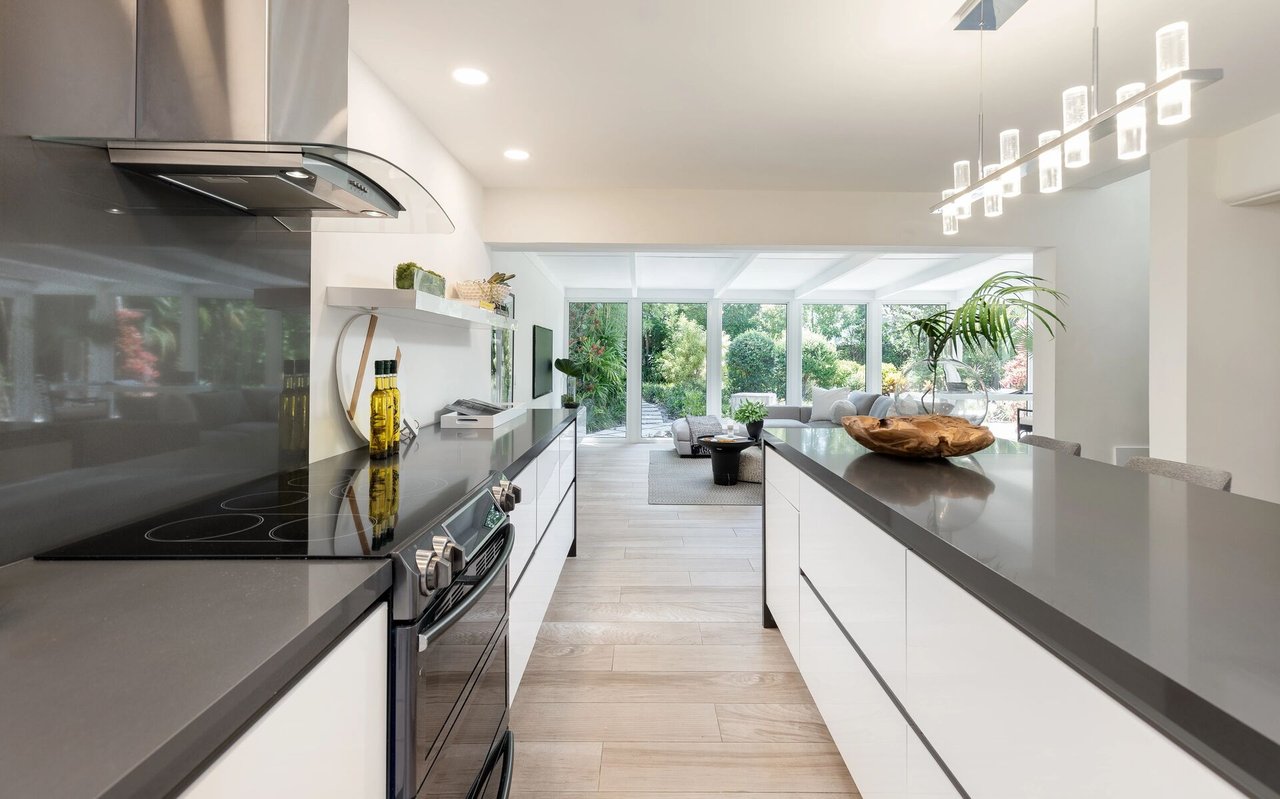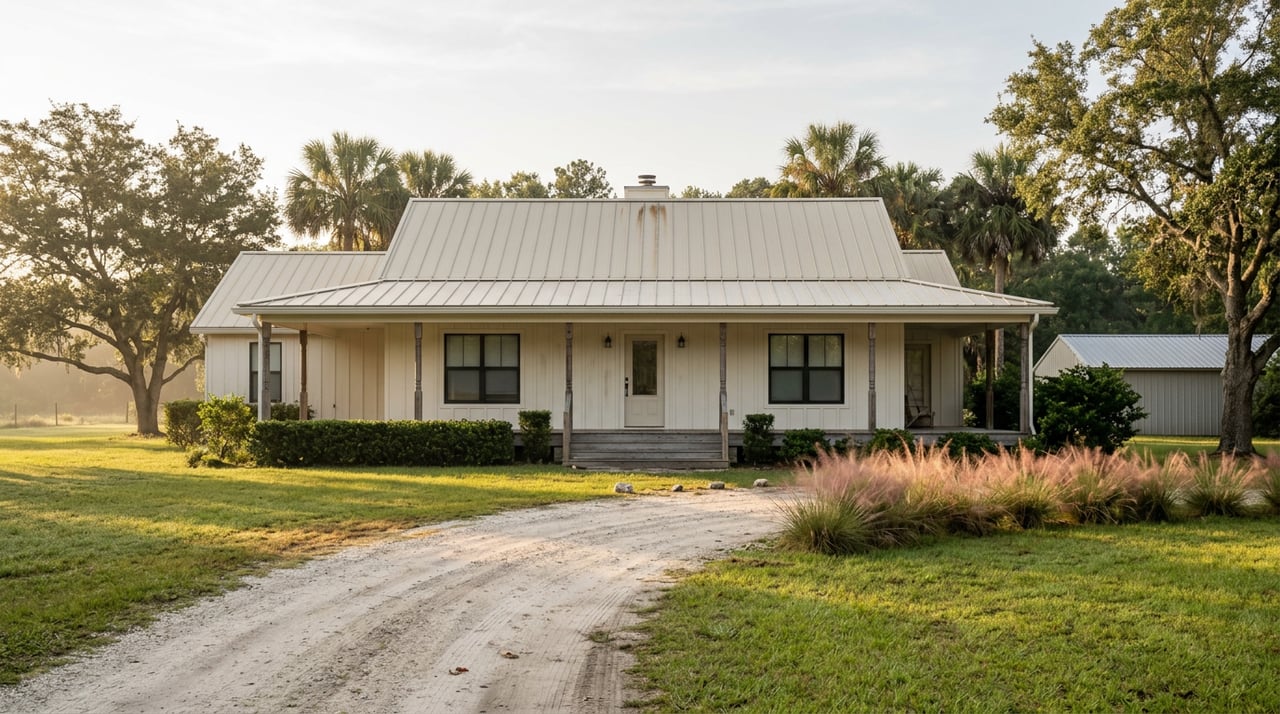
A five-acre parcel in Loxahatchee Groves and a five-acre parcel two roads over can carry nearly identical asking prices and produce two completely different closings. One clears underwriting in six weeks. The other stalls for two months over a well test, a septic permit nobody can locate, or a special assessment the buyer never asked about until the title company did. The listing price told them nothing about which outcome they'd get.
That's the part of this market buyers miss when they're comparing acreage on a spreadsheet. In Loxahatchee Groves, the number on the sign is rarely the number that determines whether the deal survives contract to close. The systems on the parcel, the town's paperwork, and a water district most newcomers have never heard of do that work instead.
Florida Doesn't Require a Septic Inspection. Your Loan Program Might.
Here's the detail that catches out-of-area buyers first: Florida has no statewide law requiring a septic inspection at the point of sale. Unlike Virginia or North Carolina, where a county health department has to sign off before a home can change hands, a Florida seller can list a property with a septic system that hasn't been looked at in fifteen years and there's no state mandate stopping them.
Your lender, however, may have other plans. FHA and USDA loans generally require evidence that a well and septic system are functioning and properly permitted, and USDA in particular asks for a water quality test valid for a set window before closing. Both programs also apply minimum separation distances between a well and any septic component, typically on the order of ten feet from a property line, fifty feet from the tank, and up to one hundred feet from the drain field, with some flexibility if the local health authority allows less. Conventional loans are more forgiving and often skip the inspection entirely unless an appraiser flags a visible problem.
The practical result: two identical-looking parcels can close on two different timelines purely because of which loan the buyer is using. If financing is part of the plan, ask which program before the well and septic even come up, because it changes what has to happen before closing day.
The Utility Bill You Don't Get, and the One You Do
Most acreage in Loxahatchee Groves runs on private wells and septic systems rather than municipal water and sewer. That trade brings a real cost swing worth running before you write an offer.
| Municipal water and sewer | Private well and septic | |
|---|---|---|
| Monthly bill | Roughly $50 to $150 | None |
| Annual water testing | Included | $50 to $150 out of pocket |
| Routine maintenance | Utility handles it | Tank pumping every 3 to 5 years, $200 to $500 |
| Unexpected repairs | Rare, utility-covered | Budget $200 to $500 per year, with major repairs running $1,000 to $5,000 |
Over a ten-year hold, a well-maintained system often comes out ahead of a municipal bill. But that math only holds if the system was maintained in the first place. Ask for pumping records before you ask for anything else. A tank with no documented history is the single biggest red flag a rural buyer can walk past without noticing.
There's a second bill, and it's the one most relocating buyers don't know exists. The Loxahatchee Groves Water Control District, a dependent district of the Town created back in 1917, maintains the canal network and unpaved road rights of way across roughly 8,000 acres of the town. For the fiscal year that began October 1, 2025, the district's assessment runs $300 per assessable unit, billed per acre. The mechanism has a quirk worth knowing before you shop by lot size: any parcel under one acre is still assessed as a full unit, so a half-acre lot and a one-acre lot pay the identical annual charge. Confirm the assessment status on any parcel through the Water Control District before you assume the acreage is the only recurring cost.
Why Every Site Quotes a Different Price for the Same Town
Search for median home prices in this area and you'll find numbers that don't agree with each other, sometimes by hundreds of thousands of dollars, sometimes for the exact same month. That isn't a data error. It's a function of two things buyers rarely account for.
First, the sample is small. This is a town of roughly two dozen to forty closed sales in a given twelve-month stretch, not the hundreds that smooth out a median in a denser suburb. A handful of multi-acre estates, one running over 8,000 square feet with a detached guest house, can pull an average well above what a typical working ranch home on five acres actually trades for. As of July 2026, tracked averages for price per square foot in the town were running meaningfully above the countywide figure, a gap that reflects acreage and systems as much as finish level.
Second, coverage areas get blended. The Town-Crier, the community paper that actually covers this part of the county, files its reporting under two distinct beats: "the Acreage/Loxahatchee area" and "Loxahatchee Groves." They are adjacent but not the same market, and national data aggregators frequently lump figures from the wider Loxahatchee area in with the incorporated Town of Loxahatchee Groves, which skews any median you pull from a general search. If a number doesn't specify the incorporated town boundary, treat it as directional, not decisive. Pull comps by parcel size and system type instead of trusting a headline figure.
The Permit You Need Before You Pour a Slab
If your plan includes building, adding a barn, or clearing land for pasture, the Town's Land Development Permit process applies, and it's stricter than a lot of first-time acreage buyers expect. Applications route through the Town's Gov-Easy electronic portal, and every application requires an escrow deposit for cost recovery along with a mandatory pre-construction meeting before any site work begins. Skip the process and build first, and you'll pay for it twice over: retroactive applications are billed at four times the standard application fee, on top of the escrow deposit.
If you're buying a parcel with existing improvements, ask the seller for the permit history on anything built after the fact, especially barns, arenas, and fill work. An unpermitted structure doesn't always kill a deal, but it becomes your problem to resolve the moment you close.
The RV Rule Just Changed, and It Affects Anyone Housing Help
Equestrian properties in this town often need somewhere for a groom or trainer to stay during the season, and for years the Town's rules on recreational vehicles were a source of confusion and inconsistent enforcement. That changed with Ordinance No. 2026-01, adopted this year, which repeals the prior framework and rebuilds RV standards from scratch under a new article of the Unified Land Development Code. The revised program sorts RVs by whether they're occupied or unoccupied and ties the number allowed to acreage and residency, a structure the Town Council worked through across a series of 2026 workshop sessions before adoption.
If seasonal housing for staff is part of how you plan to use the property, don't assume the last owner's arrangement is still compliant. Pull the current RV Program requirements before you close, not after.
Before You Write the Offer
- Request septic pumping records and pull the permit file from the county health department directly.
- Confirm which loan program you're using and check its well and septic distance requirements against the parcel.
- Verify the parcel's Water Control District assessment status and acreage classification.
- Ask whether the road frontage is paved or unpaved, and whether any paving assessment is pending. The Town paved a segment of N.E. Road in mid-July 2026 as part of an ongoing list, so this changes parcel by parcel.
- Check for any unpermitted structures, and confirm RV or staff housing plans meet the current ordinance.
A Few Questions Buyers Ask Before Closing
Do I legally need a septic inspection to buy here? No. Florida doesn't require one at sale. Your lender might, depending on the loan program, and paying for one voluntarily is one of the least expensive ways to protect a six-figure purchase.
Will the Water Control District assessment go up? The rate is set annually through a public hearing process, so it can change year to year. Ask your agent or the district directly for the current fiscal year's rate before you finalize your budget.
Can I keep an RV on the property for a groom during the season? Possibly, under the new ordinance, but the allowance depends on your acreage and whether the RV will be occupied. Confirm current permitted counts before you rely on it.
The properties that trade smoothly in Loxahatchee Groves are the ones where someone checked the systems before checking the price. That's the work worth doing before you write an offer, not after.
If you're comparing acreage here, or weighing it against the show grounds proximity that draws buyers toward Wellington, Marcus Singletary can walk the permit history, the assessment status, and the loan-specific requirements with you before you're under contract, not after.